Professional Tire Work: Get Back Driving With Safety and Haste
Expert tire repairs play a vital role in ensuring vehicle safety and performance. Trained specialists conduct comprehensive inspections to detect various tire problems. From punctures to balance problems, each issue needs careful attention. Understanding when to seek professional assistance can prevent further damage. As drivers navigate these difficulties, they may wonder about the best repair options and maintenance practices. Exploring these topics can lead to knowledgeable decisions and safer journeys ahead.
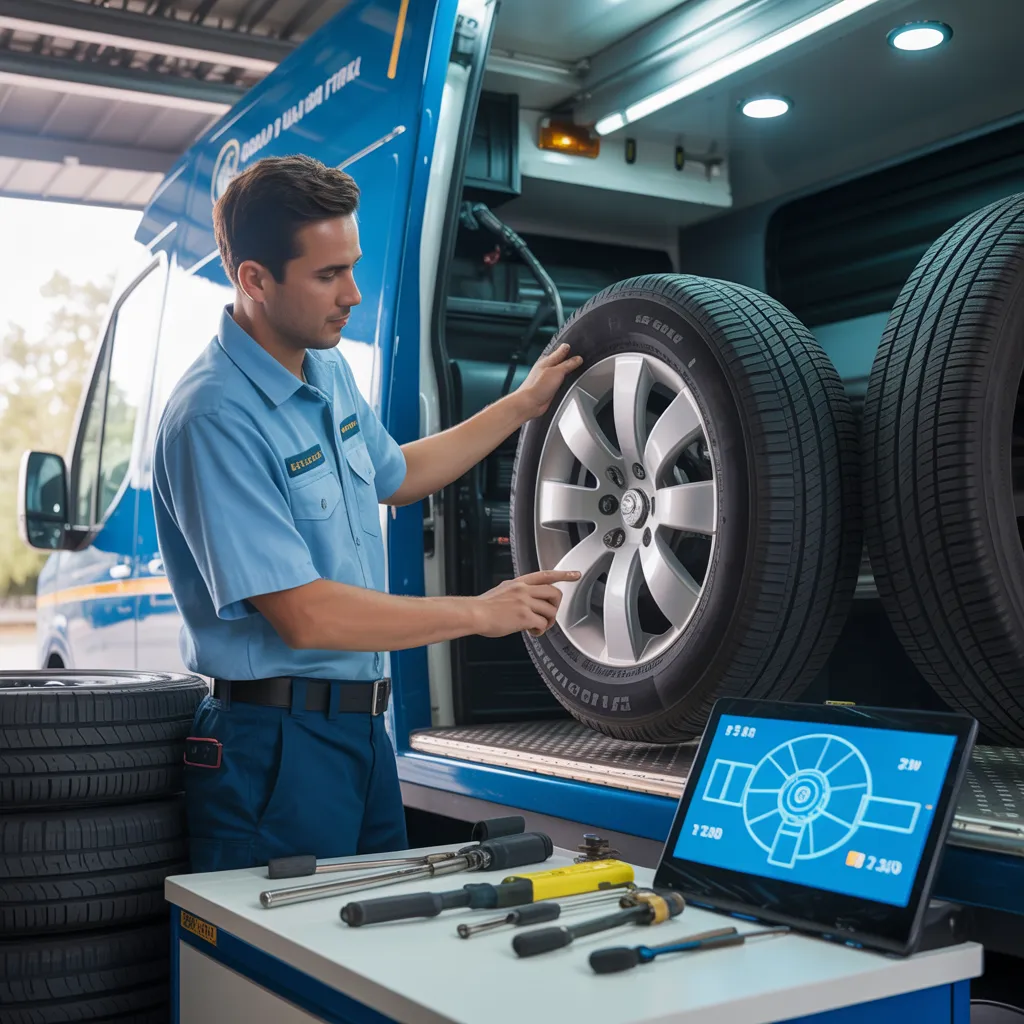
Standard Tire Difficulties to Familiarize Yourself With
When motorists fail to check their tires, they may face several frequent concerns that can affect safety and performance. One frequent occurrence is underinflation, which can cause increased tire wear and decreased fuel efficiency. Over time, this can result in the tires to overheat, raising the risk of a blowout. Another common problem is tread wear, which affects traction and handling, particularly in wet conditions. Uneven wear may indicate alignment or suspension issues, necessitating further inspection. Additionally, drivers may face punctures or sidewall damage from road hazards, causing slow leaks or complete tire failure. Routine tire maintenance including rotations and inspections with correct inflation are critical for preventing these issues. Finally, weather-related factors can also add to tire degradation, making it essential for drivers to stay vigilant about their tire health. By identifying these common problems, drivers can enhance their safety on the road.
Determining When Your Tires Need Service: How to Figure Out?
Identifying the symptoms that tire repairs are important is key for maintaining vehicle protection and capability. Drivers ought to remain vigilant for particular indicators that suggest tire issues. Asymmetrical deterioration formations on the contact surface, for example, may signal tracking problems or insufficient inflation. Moreover, obvious damage, like gashes, bumps, or punctures, commonly requires immediate attention. A sudden reduction of air force or recurring need for air filling also indicates that servicing may be essential.
Drivers should carefully observe handling and performance changes, such as vibrations or pulling to one side, which could suggest tire imbalances or internal damage. Finally, regularly checking the depth of the tire tread is vital; tires with patches of wear compromise traction. By monitoring these signs, drivers can secure timely repairs, improving both safety and vehicle longevity. Addressing these issues promptly not only avoids potential accidents but also saves on more extensive repair costs down the line.
What You Should Understand About the Tire Restoration Steps
The tire restoration method typically requires several key steps to assure safety and efficiency. First, a technician reviews the tire for noticeable damage and assesses its overall condition. This assessment helps determine whether the tire can be repaired or should be replaced. Following the inspection, the technician may take off the tire from the wheel to uncover punctures or internal damage.
Once any issues are found, the technician sanitizes the damaged area and readies it for restoration. This may involve applying a patch or insert, depending on the type and location of the damage. After the fix is finished, the tyre is remounted and correctly filled to the manufacturer's requirements.
Finally, a inspection process confirms that the repair meets safety requirements. Throughout the procedure, repair specialists emphasize communication, notifying the customer of results and suggestions. This systematic method ensures a reliable repair, enabling motorists to get back to the road with confidence.
DIY Tire Fixes vs. Professional Help
Once learning the tire repair process, many drivers may evaluate whether to manage repairs independently or get expert assistance. DIY tire repairs can be attractive, particularly for those with basic technical expertise and implements. Simple punctures can often be fixed using mending kits sold at auto supply stores, saving both time and money. However, this approach poses risks if proper procedures are not utilized, conceivably causing further damage or safety hazards.
However, expert tire repair providers offer expertise and advanced tools. Trained technicians can accurately evaluate tire damage, confirming repairs are effective and secure. They can also detect underlying problems that a DIY approach might neglect. Ultimately, the choice between expert help and DIY repairs depends upon the operator's assurance, experience, and severity of tire damage. Reaching an educated decision is essential for ensuring safety on the road.
Steps for Determining the Superior Tire Repair Service
How should drivers guarantee they pick the best tire restoration service? First, they should examine regional options, focusing on customer feedback and evaluations. This information provides clarity into the service quality and reliability of various shops. Next, looking for qualifications and memberships with recognized automotive organizations can reflect skill and experience.
Moreover, motorists should inquire the repair options offered, confirming the service can handle their distinct tire problems. Honest pricing is also critical; reputable services furnish clear quotes without unexpected fees.
Furthermore, reviewing the shop's coverage terms on repairs can provide peace of mind. Finally, accessibility is important—location near your residence or office, as well as operating times, can influence the decision. By considering these factors, vehicle owners can confidently choose a tire repair service that meets their requirements successfully.
Positive outcomes of Systematic Tire Care
Regular tire maintenance offers many advantages that prolong the lifespan and output of tires. By regularly inspecting tire air pressure, tread wear, and overall condition, vehicle owners can guarantee ideal traction and handling. Proper inflation reduces wear, improving fuel efficiency and reducing costs at the pump. In addition, regular inspections can help detect problems such as irregular deterioration or harm, enabling for timely repairs that prevent more significant problems down the road.
Taking care of auto tires additionally strengthens safety by reducing the likelihood of blowouts or accidents caused by insufficient tread. Moreover, a well-maintained set of tires contributes to a smoother ride, enhancing comfort for both the driver and passengers. Spending time on regular tire maintenance allows individuals to gain the value of their investment, guaranteeing reliable performance and peace of mind while driving. To sum up, regular tire maintenance is a key factor in responsible vehicle ownership.
Tips for Preventing Future Tire Problems
Being proactive in tire upkeep can greatly decrease the likelihood of future problems. Regularly checking tire pressure is vital; underinflation can lead to early wear and reduced fuel efficiency. It is recommended to inspect tires for apparent harm, such as cuts or bulges, which may indicate structural problems. Turning tires every 5,000 to 8,000 miles helps guarantee even wear, prolonging their lifespan.
Furthermore, keeping proper alignment and balance is essential to prevent uneven tread wear. Drivers should also track tread depth, utilizing the penny test as a straightforward method; if Lincoln's head is visible, it's time for a new tire. Finally, preventing vehicle overload can reduce excessive strain on tires. By adopting these methods, vehicle owners can extend tire longevity and foster a safer driving experience.

Frequently Inquired Questions
What amount of time is required for a common tire repair?
A routine tire restoration generally takes roughly 30 minutes to an hour contingent on the level of damage and the exact repair needed. Aspects like technician readiness and shop demand can also determine the length of time.
Can All Wheel Types Be Repaired?
All tire types cannot necessarily be repaired. As a rule, tread area punctures of passenger tires may be repairable, but damage to the sidewall, severe wear, or tires with presentation multiple repairs frequently call for replacement to guarantee safety.
What Amount Should You Anticipate to Pay for Tire Repairs?
The price of tire repairs typically ranges from $10 to $30, based on the damage and location. Elements such as tire kind and service provider may affect the final price, making it variable.
Is Tire Repair Covered by Insurance?
Tire damage protection differs across insurance policy. Some plans offer roadside assistance or repair expenses, while others may not. It's essential for individuals to review their specific policy details to establish protection regarding tire repairs.
How Can I Prolong My Tire's Life?
To stretch a tire's lifespan, regular maintenance is essential. This incorporates preserving optimal tire pressure, executing regular rotations, verifying wheel alignment, avoiding overloading, and assessing tread wear for indications of wear and damage.